


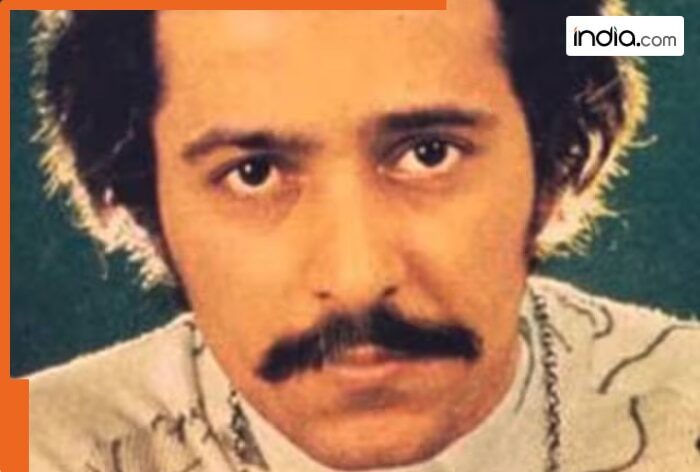
Farhad Mehrad, the man who turned pain into poetry and songs into a mission, became the soul of Persian rock.

Published: August 31, 2025 8:10 AM IST
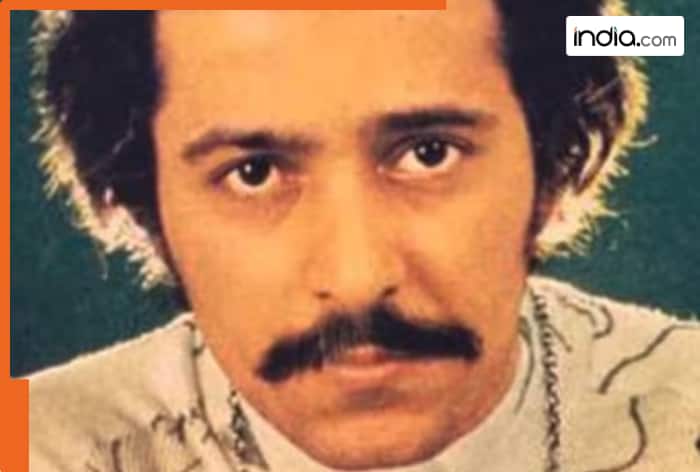
Some voices don’t just sing, they live inside you. Farhad Mehrad was one of them. Born on January 20, 1944, in Tehran, he grew up in a disciplined household under a diplomat father, but his spirit leaned towards art and freedom.
At just three, he would sit outside his brother’s violin class, listening with wonder. His family bought him a violin, but when it broke after only a few lessons, Farhad was devastated. “The violin broke into pieces, and so did my soul,” he once said. He never touched it again, yet music never left him.
How did literature and music shape him?
Farhad loved literature deeply. He wanted to study it in high school, but family pressure forced him into science. The suffocation was so intense that he dropped out in 11th grade.
Soon, music took over. He met the Armenian band The Four Elfs, spent time with them, and learned the guitar. One day, when the singer didn’t show up, Farhad stepped in. That performance changed everything. He sang in English, Italian, and French with such ease that people were mesmerised.

When did he rise to fame?
Farhad later joined the popular band Black Cats as a singer and guitarist. Fame followed, but he wasn’t interested in shallow stardom. He only sang songs with meaning.
His first Persian song Age Ye Jo Shans Dashtim became a hit. In 1970, he sang Marde Tanha for the film Reza Motori, which became a classic. Songs like Jomeh, Hafte Khakestari and Ayeneha cemented him as a voice of truth in Persian music.
Why was he silenced during the revolution?
After the 1979 Islamic Revolution in Iran, Farhad was banned from singing. Ironically, his song Vahdat aired on television the very next day, only for the ban to soon follow.
His old songs were released without his permission as an album, yet people embraced them. For nearly 15 years, silence engulfed his music.
Did he return to music later?
Yes. In 1993, he finally released his first official album Khwab Dar Bidari (Sleep While Awake), which topped charts. In 1999, he recorded Barf in the U.S., which reached Iran a year later.
His dream was to create an album titled Amine, blending songs in different languages. But destiny had other plans, and the album remained unfinished.
How did his journey end?
On August 31, 2002, Farhad passed away in Paris due to Hepatitis C at the age of 58. He was laid to rest at Thiais Cemetery. Even today, admirers place flowers on his grave, remembering a man who lived music not as a career, but as a mission.
Highlights:
- Farhad Mehrad gave Persian rock its soul with meaningful songs.
- He was banned after the 1979 Islamic Revolution but returned in 1993 with Khwab Dar Bidari.
- His last dream album Amine remained incomplete after his death in 2002.
